Advanced gene editing technique helps patients with previously untreatable form of leukemia
CANCER DIGEST – Dec. 27, 2025 – Using a more precise genetic editing technique researchers at the University College of Lindon, in the United Kingdom have developed an advanced form of CAR-T cell therapy that has eliminated a previously untreatable form of leukemia, called T-cell acute lymphoblastic leukemia or T-ALL in 64 percent of patients.
The clinical trial was first tried on a 13-year-old in 2022, and since then 10 more people have received the treatment, with very promising results published in the Dec. 8, 2025 New England Journal of Medicine.
The first of its kind gene therapy is called BE-CAR7, short for base-editing chimeric antigen receptor 7. It is an advanced, more precise type of genetic engineering of T-cells. CAR-T cell therapy has been used successfully in many types of cancer. It involves taking T cells, the main immune system cells that attack cancer, and modifying them with a particular protein that allows them to more precisely and effectively target and kill cancer cells. The modified T-cells are then grown into billions of them in the lab and re-infused back into the patient.
That approach hasn’t been effective for T-ALL because it is a form of leukemia of the T cells themselves. The difficulty is that the CAR-T cells must wipe out the cancerous T cells without triggering an attack on the engineered cells themselves.
In the new treatment, researchers led by Professor Waseem Qasim, PhD, at the Great Ormond Street Hospital for Children in London (GOSH), were able to edit the T-cell DNA one genetic base pair at a time allowing the engineered cells to target the cancerous cells more precisely.
“A few years ago this would have been science fiction," said Qasim in a press release. "Now we can take white blood cells from a healthy donor and change a single letter of DNA code in those cells and give them back to patients to try to tackle this hard-to-treat leukemia. We designed and developed the treatment from lab to clinic and are now trialling it on children from across the UK – in a unique bench-to-bedside approach.”
In the small initial trial of 11 patients treated thus far, 82 percent have achieved deep remission, meaning elimination of the cancer to a point that allows the patients to undergo stem cell transplants. Of those, 64 percent remain cancer-free with the first patients now at three years post treatment with no sign of the cancer returning.
Side effects of the treatment were similar to and anticipated from previous CAR-T cell therapies. These include low blood counts, cytokine release syndrome, a form of generalized inflammation, and rashes.
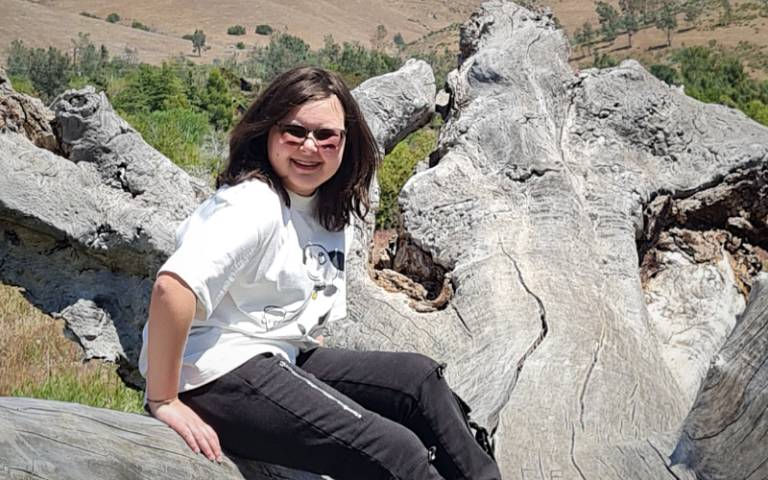
Alyssa Tapley of Leicestershire, was the first patient treated with BE-CAR7 in 2022 when she was 13. She is now 16 and remains cancer free.
“It is incredible how much my life has changed," Ms. Tapley said in a press release. "I went from four months straight in GOSH to now only coming back for medical appointments once a year. It is amazing how much freedom I have now. I’ve now been able to do some of the things I thought earlier in my life it would be impossible for me to do. I really did think I was going to die and that I wouldn’t be able to grow up and do everything that every child deserves to be able to do.”
Sources: University College of London press release and New England Journal of Medicine.


Comments